
Cytoreductive Surgery in Bhubaneswar

Cytoreductive Surgery (CRS) is a highly specialised cancer operation used for selected patients whose cancer has spread to the lining of the abdomen, known as the peritoneum. The aim of the surgery is to remove all visible tumour deposits as completely as possible, giving carefully selected patients the best opportunity for meaningful long-term disease control.
In 2023, Dr. Anjali Singh completed a dedicated fellowship in Peritoneal Surface Malignancies under Dr. Aditi Bhatt in Ahmedabad, one of India’s recognised experts in peritoneal surface oncology. This training provided extensive experience in Cytoreductive Surgery (CRS), HIPEC, peritonectomy procedures, multivisceral resections, PCI assessment, patient selection, and multidisciplinary cancer care.
The fellowship also provided an opportunity to learn from pioneers in the field, including Prof. Paul Sugarbaker, whose work laid the foundation for modern Cytoreductive Surgery and HIPEC. A principle that continues to guide CRS surgery today is the importance of meticulous disease assessment and complete tumour removal whenever achievable.

What It Is

A specialised surgery designed to remove visible cancer deposits from the lining of the abdomen in carefully selected patients.

Who It Helps

Patients with cancers that have spread within the abdomen, including selected colorectal, appendiceal, gastric, ovarian, and other peritoneal surface malignancies.

Cost

The cost depends on the type of cancer, extent of disease, complexity of surgery, and length of hospital stay.

With Dr. Anjali Singh

Dedicated fellowship training in Peritoneal Surface Malignancies, Cytoreductive Surgery (CRS), and HIPEC, with personalised treatment planning and long-term follow-up.

Dr. Anjali Singh

Dr. Anjali Singh

Consultant GI & Thoracic Surgical Oncologist
Bagchi Sri Shankara Cancer Centre & Research Institute, Bhubaneswar
First in Odisha to perform uniportal lung surgery
Single small 4 cm port

M.Ch in Surgical Oncology (JIPMER) · specialised training in thoracic & minimally invasive cancer surgery, including at Shanghai Pulmonary Hospital under Prof. Diego Gonzalez Rivas

Know More

Conditions Treated with Cytoreductive Surgery

Colorectal Cancer with Peritoneal Spread
Selected patients with colorectal cancer that has spread within the abdomen may benefit from Cytoreductive Surgery as part of a comprehensive treatment plan.
Ovarian Cancer with Peritoneal Metastasis

Patients with advanced or recurrent ovarian cancer involving the lining of the abdomen may be considered for CRS after careful evaluation.
Gastric Cancer with Peritoneal Spread
For some patients with stomach cancer confined to the abdominal cavity, Cytoreductive Surgery may be recommended as part of treatment.
Appendix Cancer and Pseudomyxoma Peritonei
CRS is one of the key treatment options for appendiceal cancers and Pseudomyxoma Peritonei (PMP), where tumour deposits and mucin accumulate within the abdomen.
Peritoneal Mesothelioma
Selected patients with peritoneal mesothelioma may also benefit from specialised CRS-based treatment strategies.

Cytoreductive Surgery Procedure

Before recommending CRS, the type of cancer, extent of disease, imaging findings, and overall fitness for surgery are carefully assessed.
The primary goal is to remove all visible cancer deposits from the abdominal cavity as completely as possible.
In some patients, portions of the diseased peritoneum need to be removed to achieve complete cytoreduction.
If neighbouring organs are involved, additional surgical procedures may be necessary to remove all visible disease.

For suitable patients, CRS may be combined with HIPEC as part of a multimodality treatment strategy.

Recovery is monitored closely, with ongoing support and follow-up tailored to each patient’s needs.

What Is Dr Anjali Singh's Approach for Cytoreductive Surgery?

Advanced Cancer Surgery
Personalised Treatment Planning

Benefits of Cytoreductive Surgery

Removes visible cancer deposits
Improves disease control in selected cases
Can be combined with HIPEC treatment
Personalised treatment approach
Focus on long-term outcomes
Multidisciplinary cancer care
As a Surgical Oncologist, Dr. Anjali Singh believes that the success of Cytoreductive Surgery begins long before entering the operating room.

Specialised Training in Peritoneal Surface Malignancies
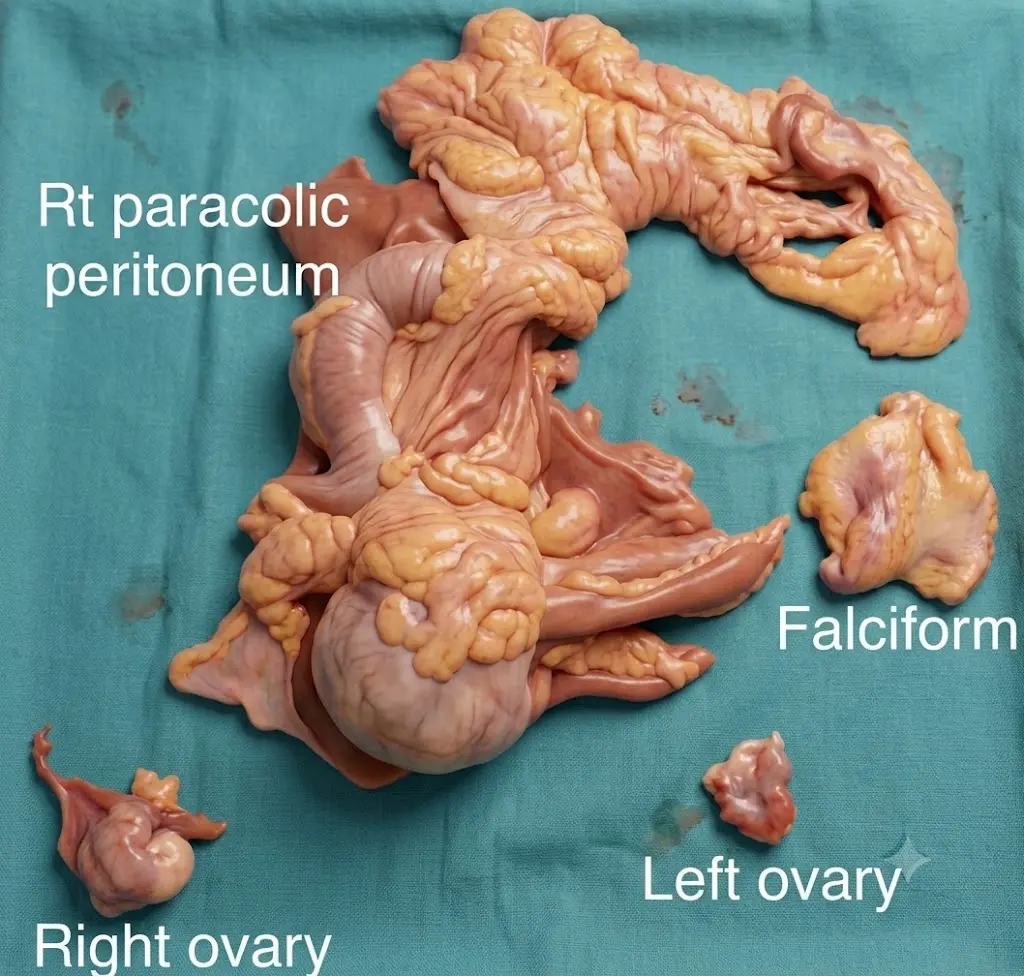
Dedicated fellowship training provided focused exposure to Cytoreductive Surgery, HIPEC, PCI assessment, peritonectomy procedures, multivisceral resections, and the multidisciplinary management of advanced abdominal cancers.

Focus on Long-Term Disease Control

Peritoneal metastases are not always synonymous with incurable disease. In carefully selected patients, a planned cytoreductive approach may offer meaningful long-term disease control and improved quality of life.

Careful Patient Selection

Not every patient with peritoneal metastasis requires CRS. Treatment decisions are based on tumour biology, disease extent, overall health, and whether meaningful benefit is likely to be achieved.

Assessing the Peritoneal Cancer Index (PCI)

The Peritoneal Cancer Index helps measure the extent and distribution of disease within the abdomen and plays an important role in treatment planning.

Planning for Complete Cytoreduction

A major focus is determining whether complete or near-complete removal of visible disease can realistically be achieved.

Multidisciplinary Decision-Making

Treatment planning is done in coordination with medical oncologists, radiologists, pathologists, and other specialists involved in cancer care.

How Much Does Cytoreductive Surgery Cost in Bhubaneswar?

The cost of Cytoreductive Surgery varies because every patient’s diagnosis and treatment requirements are different.

Type of Cancer

Different cancers require different surgical approaches and levels of complexity.

Extent of Disease

The amount of disease present within the abdominal cavity influences the scope of surgery.

Complexity of Surgery

Procedures involving extensive peritonectomy or multivisceral resections are often more complex.

HIPEC Requirement

In patients requiring CRS with HIPEC, the overall treatment plan may influence the cost.

Hospital Stay and Recovery

The duration of hospitalisation and post-operative care contributes to overall expenses.

Follow-Up Care

Post-operative monitoring, investigations, and follow-up appointments are an important part of ongoing care.
A personalised estimate is provided after reviewing the patient’s reports and treatment needs.

Why Choose Dr Anjali Singh for Cytoreductive Surgery in Bhubaneswar?

Dedicated Fellowship Training in CRS and HIPEC

Dr. Anjali Singh completed specialised fellowship training in Peritoneal Surface Malignancies under Dr. Aditi Bhatt, gaining focused experience in Cytoreductive Surgery, HIPEC, PCI assessment, peritonectomy procedures, and complex abdominal cancer surgery.
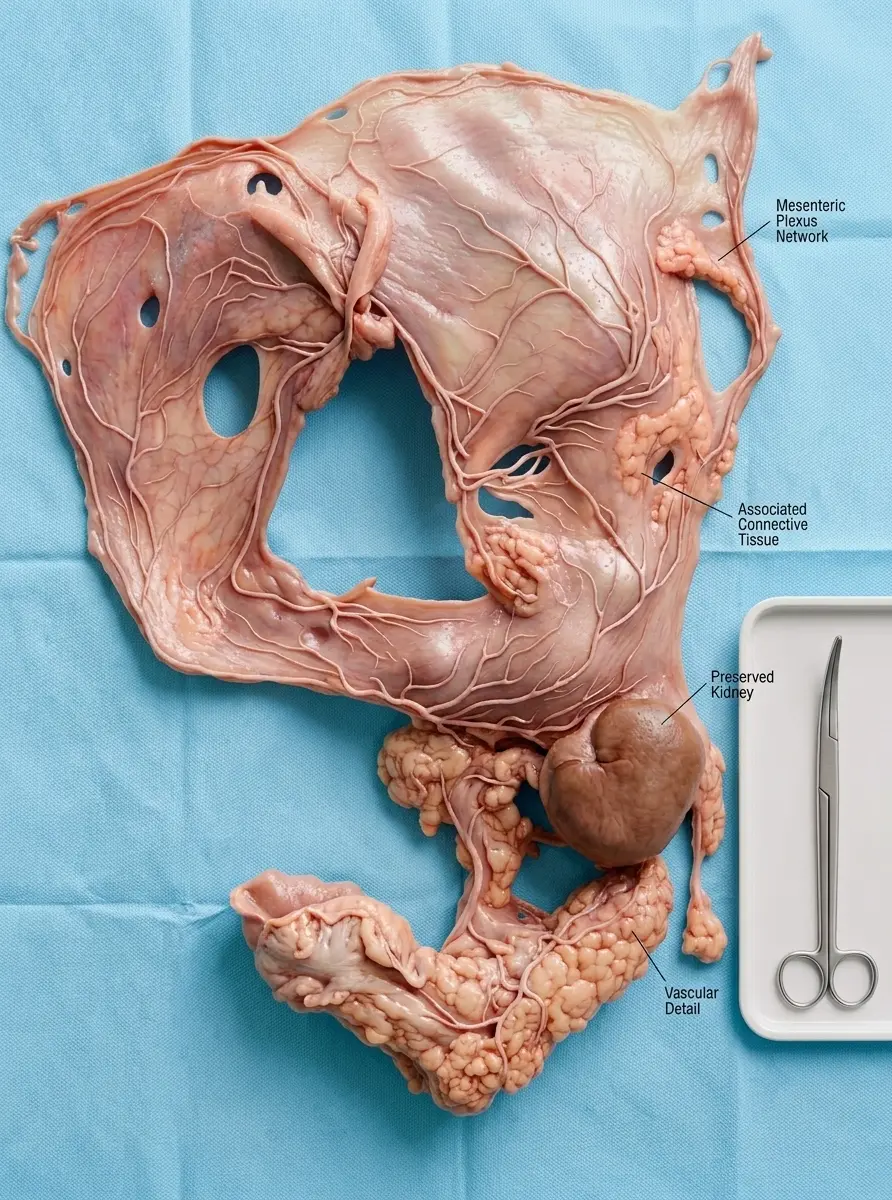
Experience in Advanced Peritoneal Disease

Her training included exposure to challenging cases involving ovarian cancer with peritoneal metastasis, locally advanced colorectal cancers, Pseudomyxoma Peritonei, and other peritoneal surface malignancies.

Support Throughout the Journey

From diagnosis and surgery to recovery and long-term surveillance, patients receive continued guidance and follow-up care.

Focus on Complete Cytoreduction

A key goal of CRS is achieving complete removal of visible disease whenever possible. Careful disease assessment and surgical planning remain central to achieving this objective.

Personalised Treatment Decisions

Treatment planning involves close collaboration with medical oncologists, radiologists, pathologists, and other specialists to ensure comprehensive care.

Multidisciplinary Cancer Care

Treatment planning involves close collaboration with medical oncologists, radiologists, pathologists, and other specialists to ensure comprehensive care.

To determine whether Cytoreductive Surgery may be suitable for you or a loved one, schedule a consultation with Dr. Anjali Singh for a detailed evaluation.

Frequently Asked Questions

What is Cytoreductive Surgery?

Cytoreductive Surgery is a specialised procedure that removes visible tumour deposits from the abdominal cavity in selected patients with peritoneal surface malignancies.

Who can benefit from Cytoreductive Surgery?

Suitability depends on the type of cancer, extent of disease, overall fitness, tumour biology, and whether complete cytoreduction is realistically achievable.

Is Cytoreductive Surgery the same as HIPEC?

No. Cytoreductive Surgery removes visible tumour deposits, while HIPEC involves delivering heated chemotherapy into the abdomen after surgery. In some patients, both treatments are performed together.

What is the Peritoneal Cancer Index (PCI)?

PCI is a scoring system used to assess the extent of cancer spread within the abdomen and helps guide treatment planning.

Is Cytoreductive Surgery a major operation?

Yes. CRS is a complex procedure that requires advanced surgical expertise, careful patient selection, and specialised post-operative care.

How long does recovery take after Cytoreductive Surgery?

Recovery varies depending on the extent of surgery, overall health, and individual healing progress.

Where does Dr. Anjali Singh perform Cytoreductive Surgery?

Dr. Anjali Singh practises as a Consultant GI and Thoracic Surgical Oncologist at Bagchi Shri Shankara Cancer Centre and Research Institute, Bhubaneswar, where she evaluates and manages patients requiring advanced cancer surgery.
Powered by Joinchat
Call Now Button