
Quick Summary
What It Is
Treatment for cancer of the oesophagus, planned according to the stage of disease and individual patient factors.
Who It Helps
Adults diagnosed with esophageal cancer, including early-stage, advanced, and recurrent cases.
Cost
The cost depends on the stage of cancer, type of surgery, and whether chemotherapy or radiation therapy is required.
With Dr. Anjali Singh
Expert surgical care with treatment planned around diagnosis, recovery, and long-term follow-up.
Esophageal Cancer Treatment in Bhubaneswar
Esophageal cancer develops in the oesophagus, the tube that carries food and liquids from the mouth to the stomach. It often begins with subtle symptoms such as difficulty swallowing, persistent acidity, chest discomfort, or unexplained weight loss. Because these symptoms can resemble common digestive problems, many patients are diagnosed later than they should be.
However, timely treatment can significantly improve outcomes. When detected early and managed appropriately, many patients can undergo treatment with the goal of long-term disease control or cure.
Dr. Anjali Singh, an experienced Surgical Oncologist in Bhubaneswar, provides specialised surgical care for esophageal cancer, from accurate staging and treatment planning to advanced cancer surgery and coordinated follow-up. Every case is reviewed individually, whether it is early-stage disease, locally advanced cancer, or recurrent cancer requiring complex decision-making.
Types and Stages of Esophageal Cancer
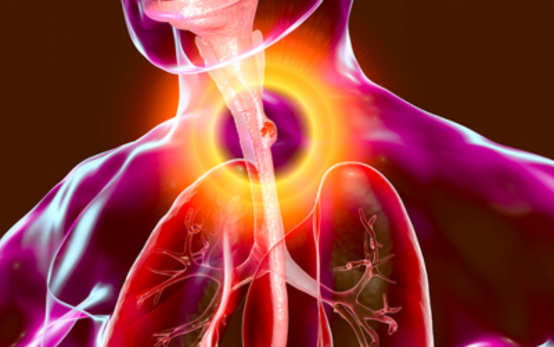
Squamous Cell Carcinoma
This type develops from the cells lining the inner surface of the esophagus and can occur anywhere along the food pipe. It remains one of the most commonly diagnosed forms of esophageal cancer worldwide.
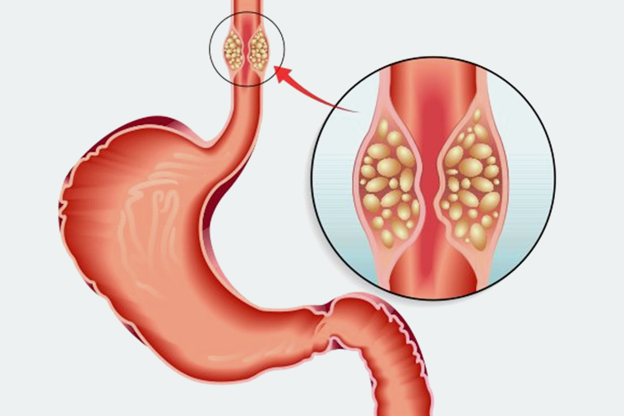
Adenocarcinoma
Adenocarcinoma usually develops in the lower part of the oesophagus, close to where it joins the stomach. It is often associated with long-standing acid reflux and Barrett’s oesophagus.
Staging Tells Us How Far the Cancer Has Spread
One of the most important factors in planning treatment is understanding the stage of the cancer. As Dr. Anjali Singh explains, staging helps determine whether surgery is likely to play a major role and what combination of treatments may be needed.
Stage I –
Cancer is limited to the oesophagus and surgery often plays an important role in treatment.
Stage II –
The tumour has grown deeper and may involve nearby lymph nodes.
Stage III –
Cancer has spread further into nearby tissues or lymph nodes and usually requires combined treatment.
Stage IV –
Cancer has spread to distant organs. Treatment focuses on disease control and quality of life
Recurrent Esophageal Cancer – Cancer that returns after previous treatment and requires individual reassessment.
Advanced Diagnostic Techniques for Esophageal Cancer
Before recommending surgery, the diagnosis and stage of the cancer must be clearly established.
Confirming the Stage
Reports, endoscopy findings, and investigations are reviewed to understand the exact extent of disease.
Assessing Surgical Fitness
General health, nutrition, and overall fitness are evaluated before treatment planning
Planning the Right Surgical Approach
Depending on the stage, surgery may be performed upfront or after chemotherapy and radiation.
Multidisciplinary Review
Treatment decisions are planned in coordination with medical oncology, radiation oncology, radiology, and pathology teams.
What Is Dr. Anjali Singh's Approach to Esophageal Cancer Treatment?
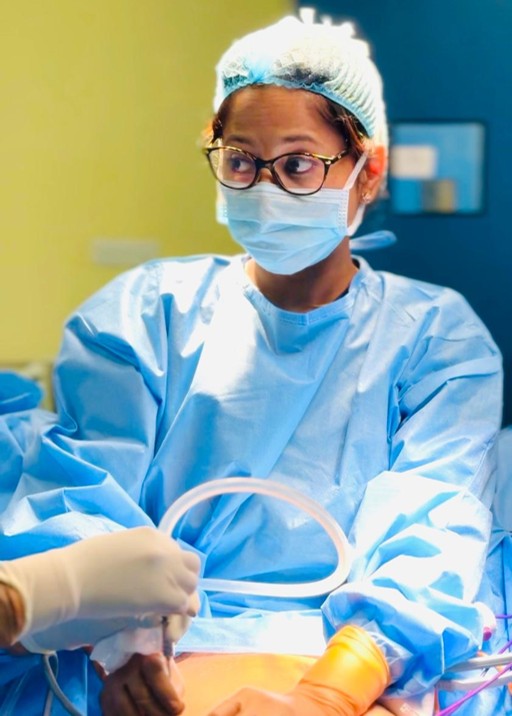
Every case is reviewed individually to determine whether surgery is likely to provide meaningful benefit and when it should be performed.
Esophageal Cancer Surgery
Surgery remains one of the main treatment options for localised esophageal cancer.
Minimally Invasive Techniques
Where suitable, minimally invasive approaches may help reduce discomfort and support faster recovery. Dr. Anjali Singh has additional training in minimally invasive GI oncology.
Surgery After Chemotherapy or Radiation
Patients with more advanced disease may require additional treatment before surgery is considered.
Recurrent Cancer Surgery
Selected patients with recurrent disease may still be considered for further surgical treatment.
How Much Does Esophageal Cancer Treatment Cost in Bhubaneswar?
The cost of esophageal cancer treatment can vary because every patient’s diagnosis and treatment plan is different. Some people may only need surgery, while others may require chemotherapy or radiation as part of their treatment journey.
Stage of Cancer
The extent of the disease is one of the biggest factors. Early-stage cancers are often less complex to treat than advanced or recurrent cancers.
Type of Surgery
The cost can vary depending on the procedure being performed and whether a minimally invasive approach is suitable.
Additional Treatment
Some patients may need chemotherapy or radiation therapy before or after surgery, which can affect the overall treatment cost.
Hospital Stay
The length of hospitalisation, recovery needs, and post-operative care also contribute to the final expenses.
Investigations and Follow-Up
Tests required for diagnosis, treatment planning, and routine follow-up form an important part of the overall care plan.
At Dr. Anjali Singh’s practice, treatment recommendations are explained in detail, and a personalised cost estimate is shared after reviewing your reports so that you and your family can make informed decisions with confidence.
Why Choose Dr Anjali Singh For Esophageal Cancer Treatment in Bhubaneswar?
Esophageal Cancer Surgery
Surgery remains one of the most important treatments for localised esophageal cancer. Dr. Singh performs surgery with the goal of removing the cancer completely while maintaining digestive continuity and supporting long-term recovery.
Minimally Invasive Surgical Techniques
Where oncologically appropriate, minimally invasive approaches may be used to reduce postoperative pain, minimise blood loss, shorten hospital stays, and support faster recovery without compromising cancer clearance.
Surgery Following Chemotherapy and Radiation
Many patients with locally advanced disease require chemotherapy and radiation before surgery. After assessing treatment response, Dr. Singh determines whether surgical removal remains the most appropriate next step.
Recurrent and Advanced Cancer Surgery
Patients whose cancer returns after previous treatment may still be considered for repeat or salvage surgery. Each case is reviewed carefully to determine whether surgery is likely to provide benefit.
Multidisciplinary Cancer Care
Treatment planning involves close coordination with medical oncologists, radiation oncologists, radiologists, and pathologists, ensuring every surgical decision is supported by a comprehensive cancer care team.
Frequently Asked Questions
Is esophageal cancer curable?
Yes, especially when diagnosed and treated early.
Is surgery always required?
Not always. Treatment depends on the stage of cancer and overall treatment plan.
How long does recovery take after surgery?
Recovery varies from person to person and depends on the procedure performed.
What are the common symptoms of esophageal cancer?
Difficulty swallowing, weight loss, persistent acidity, chest discomfort, and food getting stuck while swallowing.
Where does Dr. Anjali Singh treat patients?
She practises as a Consultant GI and Thoracic Surgical Oncologist at Bagchi Shri Shankara Cancer Centre and Research Institute, Bhubaneswar.